

Choosing the right workspace is an important decision for businesses and professionals looking to balance cost, flexibility, and productivity. Co-working spaces and private rental offices each offer distinct advantages depending on individual needs and work styles. While co-working environments encourage collaboration and networking, private offices provide greater privacy and control over the workspace. Workers and employers view Sandton offices to compare available setups and find a solution that aligns with their operational goals. Factors such as scalability, amenities, and long-term commitment often influence this choice. This article explores the key differences between co-working spaces and private rental offices to help inform decision-making.
Differences in Privacy and Work Environment
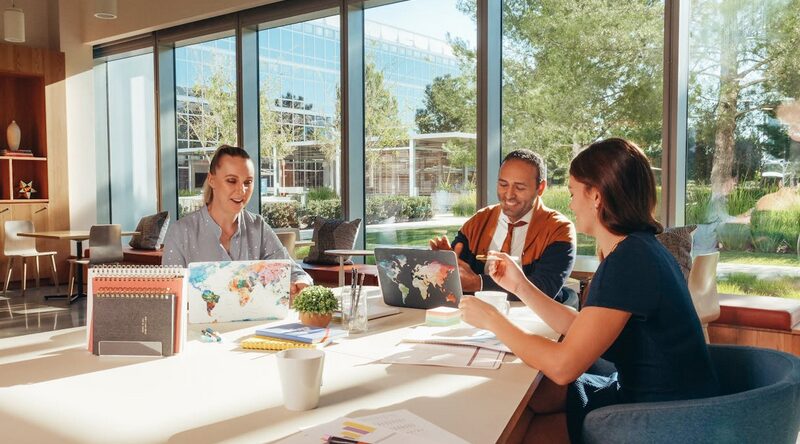
Privacy is one of the most defining differences between these two workspace models. Co-working spaces typically feature open layouts that encourage interaction and collaboration among occupants. While some offer enclosed rooms, the overall environment remains communal. Private rental offices, on the other hand, provide a controlled and enclosed setting where activities are not shared with other users. This level of privacy supports focused work and confidential operations. The contrast between open and enclosed environments highlights how workspace design influences both interaction and concentration.
Flexibility and Usage Structure

Flexibility plays a central role in how co-working spaces operate. These environments often allow users to choose short-term arrangements, such as daily or monthly access, depending on their needs. This adaptability supports changing schedules and varying work requirements. Private rental offices usually involve longer-term agreements that provide consistent access to a fixed location. This structure offers stability but less flexibility in terms of commitment. The difference in usage models reflects how each option caters to different working patterns and organizational needs.
Access to Shared Resources and Facilities
Co-working spaces are designed to provide shared access to resources such as meeting rooms, internet connectivity, and communal areas. These shared facilities support multiple users and reduce the need for individual infrastructure investment. Private rental offices may also include amenities, but these are typically dedicated to the specific tenant or included as part of a broader building service. The distinction lies in how resources are distributed: co-working spaces emphasize shared access, while private offices emphasize exclusive use.
Cost Structure and Operational Considerations
The cost structure of each workspace type differs based on how services and space are allocated. Co-working spaces often operate on a pay-for-use model, where costs are tied to the duration of access and the amenities included. This approach allows variable expenses to adjust based on usage. Private rental offices generally entail fixed costs associated with leasing a dedicated space, including utilities and maintenance. These differences reflect how financial considerations align with the level of exclusivity and flexibility offered by each option.
Co-working spaces and private rental offices differ in terms of privacy, flexibility, access to resources, and cost structure. Co-working environments emphasize shared space and adaptability, while private offices offer dedicated, controlled work settings. Understanding these differences helps clarify how each option supports different professional needs and operational preferences. This comparison highlights how workspace design influences both functionality and user experience in modern work environments.…

 One of the biggest reasons to hire a catering company is that it will save you a lot of stress. Planning and executing an event can be overwhelming, but with a catering company on your side, you can rest assured that the food and drink aspect will be taken care of. It will free up your time to focus on other essential elements of the event.
 Hiring a catering company can make a statement about your event. If you want to impress your guests and show them that you are serious about hosting a great event, hiring a catering company is the way to go. Catering companies can add an element of sophistication and luxury to any event, no matter the size or budget.