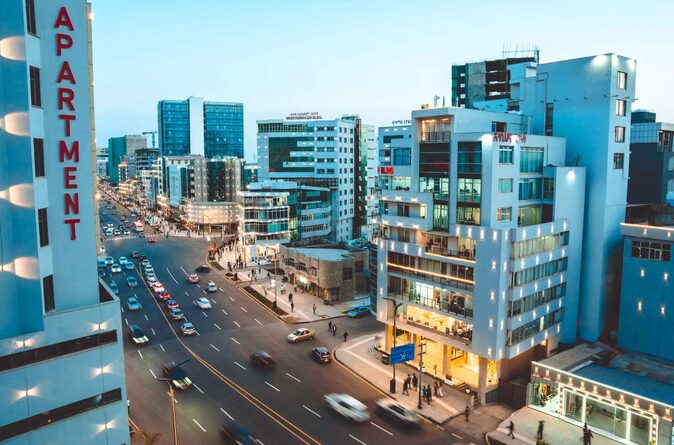
Choosing where to live involves more than just finding a comfortable home; it also means considering the quality of the surrounding infrastructure. Communities with reliable roads, public transportation, utilities, and essential services often provide residents with greater convenience and a higher standard of living. When evaluating residential developments, factors such as the current lucerne grand price, accessibility, and long-term value become increasingly important. Strong public infrastructure can reduce daily stress, improve connectivity, and support economic growth, making neighborhoods more desirable for families and professionals alike. Understanding these benefits can help explain why infrastructure plays such a vital role in residential satisfaction.
Improved Transportation and Accessibility
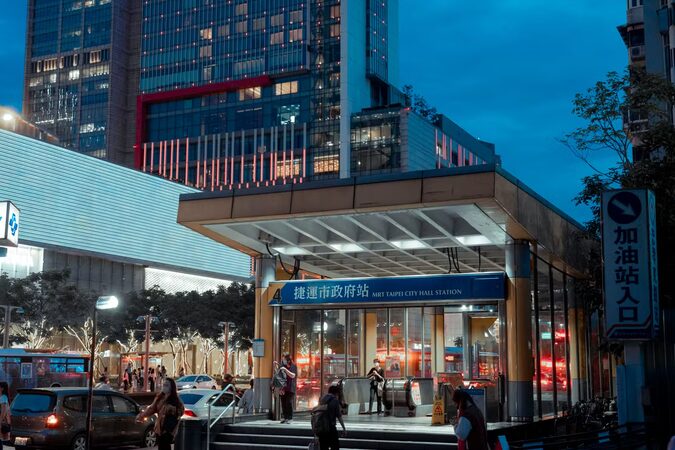
One of the most noticeable advantages of living in an area with strong public infrastructure is easier mobility. Well-maintained roads, efficient public transportation systems, and organized traffic management allow people to travel more conveniently and safely. Reduced travel times can improve work-life balance by giving residents more time for family, recreation, and personal development. Reliable transportation also increases access to employment opportunities, educational institutions, healthcare facilities, and commercial centers. Communities with effective transportation networks often experience stronger economic activity because people and businesses can move efficiently throughout the region.
Economic Growth and Property Value Stability
 Areas with well-developed infrastructure often attract businesses, investors, and new residents. This economic activity can lead to job creation, increased commercial development, and stronger local economies. As demand for housing in these locations grows, property values tend to remain more stable and may appreciate over time. Homeowners often benefit from living in communities that are considered desirable for their accessibility and high-quality services. Strong infrastructure can therefore contribute to both immediate lifestyle improvements and long-term financial advantages for property owners and residents alike.
Reliable Access to Essential Services
Strong infrastructure ensures reliable access to the services households rely on every day. Consistent water supply, stable electricity, efficient waste management, and reliable communication networks contribute significantly to comfort and convenience. When these services operate effectively, residents face fewer interruptions that could impact their productivity or quality of life. Reliable infrastructure also supports public health by providing clean water, proper sanitation, and effective environmental management systems. These factors create healthier living conditions and reduce the risks associated with inadequate public utilities.
Enhanced Safety and Community Well Being

Public infrastructure plays an important role in supporting safety and overall community welfare. Well-lit streets, effective drainage systems, reliable emergency services, and properly maintained public facilities help create a safer environment for residents. Infrastructure designed to withstand environmental challenges can also reduce the impact of floods, storms, and other disruptions. Public parks, recreational spaces, and community facilities encourage social interaction and support healthier lifestyles. These features strengthen community connections and contribute to a greater sense of security and belonging among residents.
Living in an area with strong public infrastructure offers benefits that extend far beyond convenience. Reliable transportation, consistent access to essential services, economic opportunities, enhanced safety, and long-term sustainability all contribute to a higher quality of life. Well-developed infrastructure supports both individual households and the broader community by creating stable and efficient environments in which people can thrive. As cities and communities continue to grow, strong public infrastructure remains one of the most important factors influencing comfort, prosperity, and long-term residential satisfaction.…